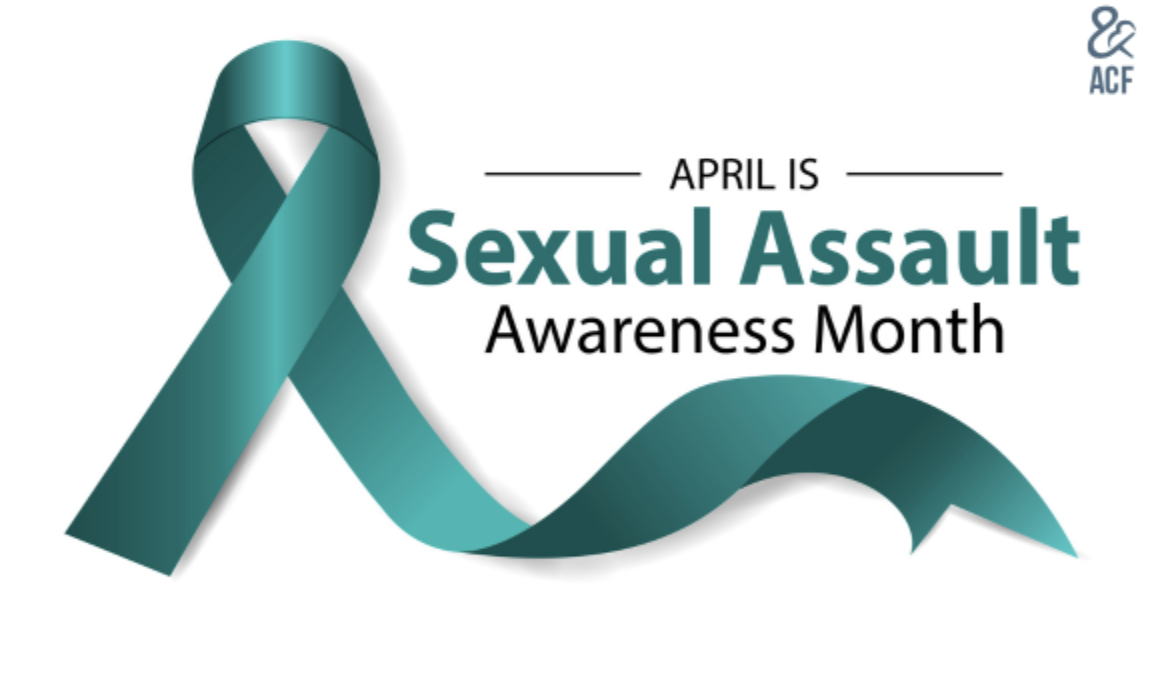
In March, we celebrated Women’s History Month, which highlighted the unseen heroines who helped change our world for the better. The following month, we recognize Sexual Assault Awareness Month, or SAAM.
Sexual assault (SA) affects everybody, with one person in the US being assaulted every minute, and every nine minutes that person is a child. It is important to recognize that most of these people are women, with 1 in 6 women in the US having experienced attempted or completed rape, and about 1 in 2 women experiencing some sort of sexual assault, compared to the 1 in 33 men who have experienced attempted or completed rape and 1 in 6 to 1 in 9 who have experienced SA.
Unfortunately, women often face backlash for their assault because they were “asking for it”, just for wearing a certain outfit or walking alone. Women can do the same thing as men, and will be shamed for it because it’s “just different for dudes,” subjecting them to slut-shaming and other forms of hate.
Women often don’t report their sexual assault for fear of not being believed and being called a liar; social media has only made this worse. Seeing comments accusing women who have experienced sexual assault and calling them liars discourages other women from coming out about their experiences. Survivors can also be discouraged because even though it is not the victim’s fault, they can convince themselves that their assault happened because of something they did. Women frequently do not want to report a sexual assault because they don’t want to re-traumatize themselves just for their rapist or assailant to have a chance of walking free. This may sound illegitimate, but approximately 98% of perpetrators walk free.
After an assault, women can feel shock, anger, and anxiety, with 94% of women experiencing symptoms of acute stress disorder in the first two weeks of assault, and 50% develop long-lasting PTSD. Women often even blame themselves for their sexual assault. Long-lasting effects can include nightmares, depression, repeated memories of the assault, and feeling jumpy/on edge. Women who have been assaulted often have suicidal thoughts, attempted or completed suicides. Sexual assault not only makes that day or week hard, but it can also lead to lifelong struggles, making it difficult to perform regular tasks in our daily lives.
It is also important to remember that sexual assault affects men, too. Although 1 in 6 to 1 in 9 men are reported to have experienced sexual assault, men are a lot less likely to report sexual assault compared to women because of harmful stereotypes created by toxic masculinity. This lack of reporting makes it more difficult to accurately report how many men have experienced sexual assault or rape. Changing the culture of society not only to believe, but also to sympathize with male victims, can help all victims get the help and support that they need.
Every SAAM concludes with one of the most widely recognized days, Denim Day. Denim Day was established in 1999 after the Italian Supreme Court of Appeals ruled a case in favor of a rapist, with the reasoning being that the victim was wearing jeans too tight to be removed by the rapist on his own: “[it is] impossible to be raped while wearing tight jeans”. Around the world, people wear jeans to recognize and advocate for not only that one woman, but for all sexual assault survivors. Denim Day educates people on the different forms of sexual violence and to fight against harmful myths.
Sexual Assault Awareness Month not only serves as a recognition of sexual assault and its victims, but also as a teaching moment on reporting and preventing sexual assault, so all people can feel safe speaking out and sharing their stories.