Bill Gates. Lionel Messi. Courtney Love. Anthony Hopkins. Susan Boyle. What do all of these people have in common? Autism. Even historical figures like Isaac Newton, Amadeus Mozart, Ludwig Van Beethoven, Leonardo Davinci, Vincent Van Gogh, Alexander Graham Bell, and Albert Einstein are all assumed to be autistic. Throughout history, and even to this day, there has been a harmful stigma around autism. But why are we hating on autism when people with autism have had such a positive impact on our world?
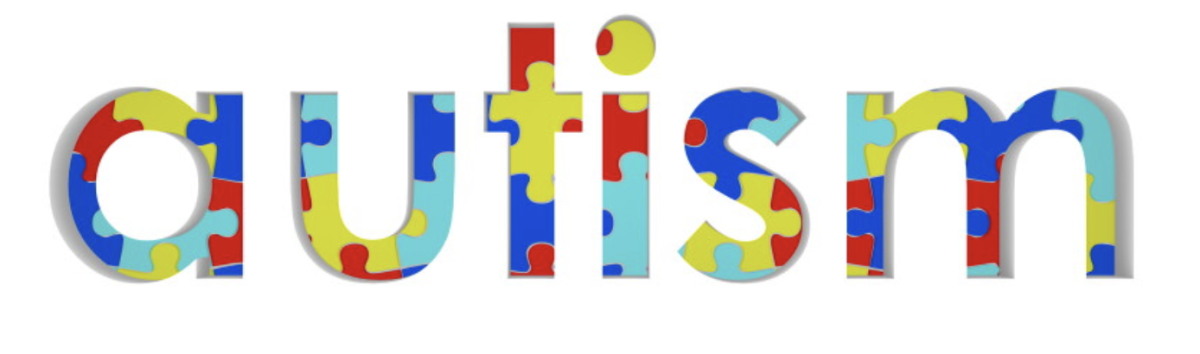
What is autism, though? Part of the trouble in defining autism is that there isn’t one answer to that question. Autism can present in many different ways, and unfortunately, this can lead to misrepresentation and mischaracterization of autism. A person with autism can be hyperverbal (talkative from a young age) or totally nonverbal, but still be diagnosed with the same thing: autism. Autism is a type of neurodivergence that changes how people view and interact with the world. Many people with autism struggle with social interactions. This can include struggling to hold eye contact or knowing when to end a conversation because they can struggle with reading social cues.
From deadly bogus exorcisms to phony medicines and remedies to whole books about curing autism, society is hell-bent on preventing and ending autism. But instead of trying to “cure” autism, why don’t we remove the stigma and see autism for what it truly is: a diverse way of thinking that has improved our world. What is our country and world without diversity? How can you claim to fight or promote diversity while trying to “cure” someone of something integral to their identity?
Even organizations that claim to be “pro-autism”, such as Autism Speaks, are actually contributing to the stigma and may be actively trying to get rid of it. Autism Speaks advertises itself as an organization that advocates and fights for people with autism, whom they refer to as “autistics”, and conducts research and helps autistic families. In reality, only 0.33% of their budget contributed to direct support of autistic people and their families. On its board of directors, only 2 people out of the entire 28 board members have been diagnosed with autism— the only two in the organization’s history. How does an organization claim that they advocate for autism when there aren’t even autistic people who can advocate for themselves in their organization? There are fewer autistic board members on the board for Autism Speaks than for companies like White Castle, eBay, Goldman Sachs, and more. Also, Autism Speaks heavily contributes to the stigma around autism. They use about 48% of their budget to raise awareness, but the awareness they raise is on how autism is mysterious and scary. Autism Speak’s “awareness” only creates stigma and aims to exclude autistic people from our society, and have autism be fully eliminated.
This doesn’t mean that there aren’t any good organizations to help autistic people. Organizations such as ASAN and AWN are great organizations to donate to or volunteer for, as they actually advocate and fight for people, not only with autism, but also other neurodiversities, too. Autism and autistic people may face a stigma, but if even a few people stood up to this or even just simply didn’t contribute to it, this stigma and bullying would be greatly decreased.