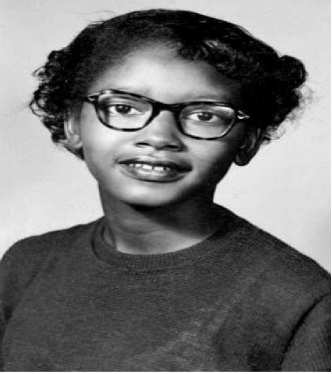
Many heroes of the Civil Rights Movement are well known, but some important figures do not always receive the recognition they deserve. One of those heroes is Claudette Colvin, a woman whose courage helped challenge segregation in America. Although her name is not as widely recognized as others, her actions played a crucial role in the fight for equality and showed that even teenagers can shape history.
On March 2, 1955, at just 15 years old, Claudette made history in Montgomery, Alabama, when she refused to give up her bus seat to a white passenger. She took a stand against injustice nine months before Rosa Parks made headlines for the same act. Claudette was already involved in the NAACP Youth Council and understood that segregation laws were unfair. Unfortunately, because of Colvin’s age and “millitancy,” the NAACP decided that Rosa Parks could garner more sympathy.
Claudette’s early life wasn’t easy. Growing up in Alabama, she experienced the harsh realities of segregation firsthand. Adding to her challenges, she lost her sister to polio just before starting high school—a heartbreaking moment that strengthened her sense of justice and empathy. Inspired by leaders like Harriet Tubman and Sojourner Truth, Claudette learned that standing up for what is right can require great courage. When she was arrested for violating segregation laws and faced criticism from society and even parts of the civil rights community, she still did not back down. Her courage reminds us that change often begins with ordinary people doing something extraordinary. After her passing, many people took time to recognize her contributions and reflect on her bravery. Tributes were shared on social media, community members created signs and posters celebrating her life, and talk shows and news programs highlighted her story so more people could learn about her role in history. In some places, streets and landmarks have been named in her honor. These acts of remembrance show that her legacy continues to inspire new generations. Claudette Colvin’s story teaches us that doing the right thing can leave a lasting impact, even if recognition comes later.